

Introduction
Modern industries demand extraordinary levels of accuracy and consistency in component manufacturing. From aerospace and medical implants to robotics and electronics, the need for high-precision parts is ever-growing. At the heart of this technological evolution lies Precision CNC Machining, a method that delivers flawless results even in the most demanding applications.
What Is Precision CNC Machining?
Precision CNC (Computer Numerical Control) machining refers to the automated production of highly accurate and finely detailed components using computer-controlled machine tools. This advanced technique enables manufacturers to remove material from a workpiece with microscopic precision, creating parts that adhere to the tightest tolerances.
Whether it’s intricate surgical tools or finely detailed mechanical parts, precision CNC machining ensures the final product matches the digital design down to the smallest detail.
Why Precision Matters
Precision is more than a technical buzzword; it is often the defining factor in product performance and reliability. In critical sectors like aerospace, defense, and healthcare, even a minor defect or misalignment can lead to catastrophic results.
Precision CNC machining addresses this challenge by enabling:
- Dimensional accuracy to within microns.
- Consistent repeatability in large-scale production.
- Complex geometries that traditional machining cannot achieve.
In essence, it reduces human error, enhances production quality, and significantly cuts down material waste.
See also: GJJ Material Hoist: Enhancing Efficiency and Safety in Vertical Material Handling
Core Components of the Process
Several factors make precision CNC machining distinct from standard machining processes. Key components include:
High-End Machinery
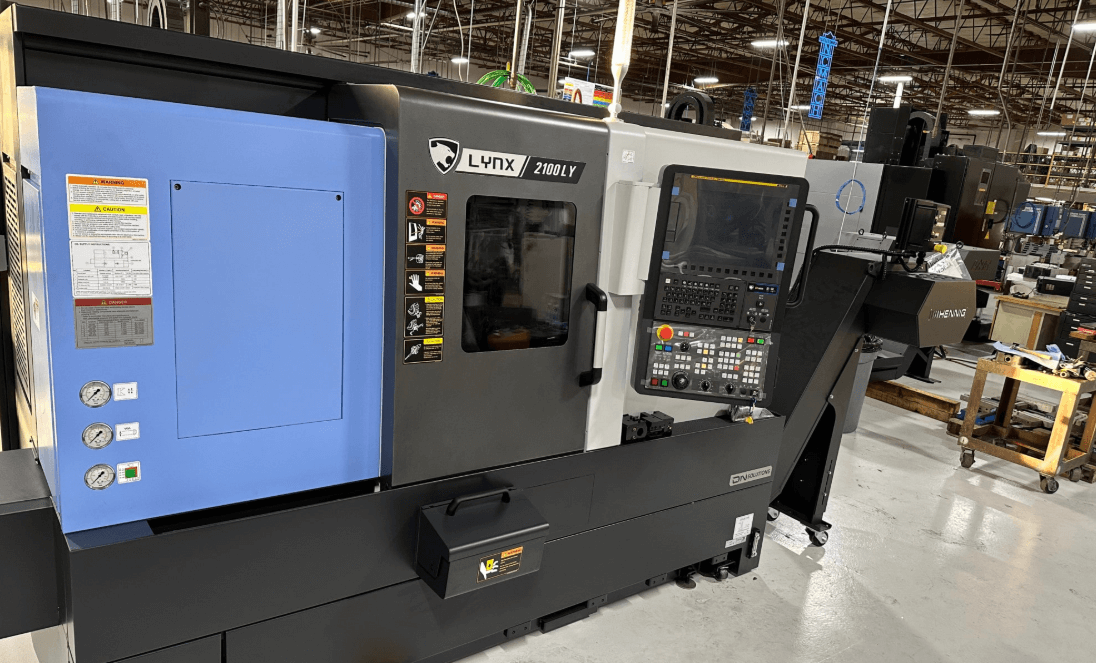
Precision machining uses 3-axis, 4-axis, and even 5-axis CNC machines. These machines can simultaneously move the cutting tool and the workpiece in multiple directions, enabling the creation of complex shapes in fewer setups.
Advanced Software
Engineers design parts digitally, and those designs are translated into instructions for the CNC machine.
Tooling and Fixtures
The quality of the tooling directly affects the outcome. Tools must be rigid, sharp, and durable to perform high-precision cuts.
Skilled Operators
Although much of the process is automated, expert machinists are still required to program machines, inspect parts, and make real-time adjustments. Their expertise is crucial in maintaining high standards.
Benefits of Precision CNC Machining
Versatility
Precision CNC machining is compatible with various materials, including:
- Stainless steel
- Titanium
- Aluminum
- Brass
- Plastics like PEEK and Delrin
This flexibility allows manufacturers to cater to diverse industry needs.
Cost Efficiency
While setup costs may be high, the long-term savings are significant. The reduced need for rework, low scrap rates, and high-speed production lead to cost-effective results.
Scalability
Whether you’re producing a single prototype or 10,000 parts, CNC machining scales efficiently. The process remains consistent regardless of volume, making it ideal for both R&D and mass production.
Aerospace
In aviation, parts must withstand extreme pressure and temperature variations. CNC machining ensures the components meet FAA or EASA standards, offering high fatigue resistance and exact dimensions.
Medical
Surgical instruments, implants, and diagnostic equipment require biocompatibility and micro-scale accuracy. CNC machining produces complex features with smooth surface finishes ideal for medical use.
Automotive
From engine blocks to brake systems, automotive components must meet tight tolerances for safety and performance. CNC ensures consistency in mass production and supports new product development.
Electronics
CNC machining is used to manufacture heat sinks, housings, and connectors with tight dimensional control to support compact circuit designs.
Robotics
Precision components are essential for robotic systems, where accuracy determines motion and efficiency. Custom gears, frames, and control housings are often CNC-machined.
Trends in Precision CNC Machining
Micro-Machining
Micro-machining techniques allow for the creation of components measured in microns, which is especially useful in the medical and electronics industries.
Hybrid Machining
Combining CNC machining with additive manufacturing is becoming popular. Hybrid systems allow the production of parts with internal geometries that are impossible to make using traditional methods.
Automation and AI
Smart factories are integrating AI and IoT sensors into CNC systems. These improvements allow for predictive maintenance, process optimization, and real-time quality control.
Eco-Friendly Processes
Manufacturers are adopting sustainable practices, such as using biodegradable coolants and optimizing tool paths to minimize waste and energy consumption.
How to Choose a CNC Machining Partner
Working with the right manufacturer is key to ensuring success in precision manufacturing. When selecting a Precision CNC Machining service provider, consider the following:
- Certifications: Look for ISO 9001, ISO 13485 (medical), or AS9100 (aerospace) certifications.
- Capabilities: Confirm they can handle the materials and tolerances your project requires.
- Equipment: Modern and well-maintained machines are essential for consistent output.
- Experience: A provider with industry-specific experience can foresee and solve design or production issues early.
- Quality Assurance: Ask about their inspection process, tools (like CMMs), and documentation standards.
Future Outlook
The demand for Precision CNC Machining is expected to grow rapidly, driven by new product innovation, miniaturization, and increased quality requirements. As industries evolve, the need for tighter tolerances and faster production will push CNC technology even further.
AI integration, real-time monitoring, and cloud-based machine management are expected to dominate the next generation of precision machining.
Conclusion
With its unmatched accuracy, repeatability, and versatility, it enables innovation across critical sectors. As technology continues to advance, so too will the possibilities of what can be achieved through this highly refined process.
Choosing the right CNC machining partner ensures you don’t just meet the specifications, but exceed the expectations of your industry and customers. In the competitive world of high-tech manufacturing, precision isn’t just preferred — it’s required.